A new generation of silicon carbide ceramic heat exchanger tubes is now operating successfully in some of the harshest industrial environments. These tubes handle extreme heat and strong corrosive chemicals without breaking down. They are built to last where metal parts would quickly fail.
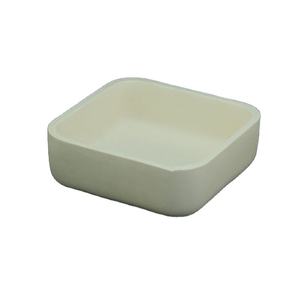
(Silicon Carbide Ceramic Heat Exchanger Tubes Operate in Corrosive High Temperature Environments)
Factories that process acids, alkalis, or other aggressive substances often face equipment damage. Traditional metal heat exchangers corrode fast under such conditions. This leads to frequent shutdowns and high maintenance costs. The new ceramic tubes solve this problem. They resist corrosion far better than any metal alloy.
Silicon carbide is known for its strength at high temperatures. It stays stable even when heated beyond 1,000 degrees Celsius. The material also conducts heat well. This makes it ideal for heat transfer tasks in demanding settings. Companies using these tubes report fewer leaks, less downtime, and longer service life.
The tubes are made through a precise manufacturing process. This ensures consistent quality and tight tolerances. Each unit undergoes strict testing before delivery. Users in chemical processing, waste treatment, and energy production have already adopted them with strong results.
One plant in the Midwest replaced its old stainless steel units with silicon carbide tubes last year. Since then, it has seen zero failures in its heat recovery system. Maintenance crews spend less time on repairs. Production runs smoother and more efficiently.
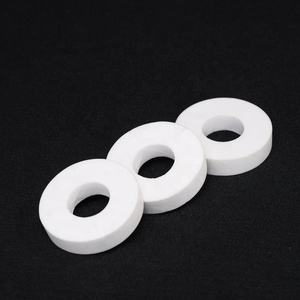
(Silicon Carbide Ceramic Heat Exchanger Tubes Operate in Corrosive High Temperature Environments)
Demand for these ceramic components is growing. Engineers appreciate their reliability. Plant managers like the cost savings. As industries push for cleaner and more efficient operations, materials like silicon carbide become essential. They offer a practical answer to long-standing durability challenges in hot, corrosive zones.