A new development in LED packaging is helping lights shine brighter and more efficiently. Technical ceramic substrates are now being used to improve light extraction in LED devices. These substrates offer better thermal management and optical performance than traditional materials.
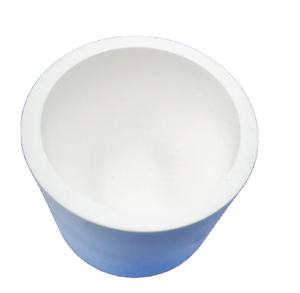
(Technical Ceramic Substrates for LED Packaging Improve Light Extraction Efficiency)
Manufacturers have long faced challenges with heat buildup and light loss in LED packages. Standard materials like plastics or metals often trap heat or absorb light. This reduces the overall brightness and lifespan of the LED. Ceramic substrates solve both problems at once. They stay cool under high power and reflect more light outward.
The key lies in the material’s structure. Technical ceramics are engineered to be highly reflective and thermally conductive. This means they move heat away from the LED chip quickly while bouncing more photons out of the package. As a result, more usable light reaches the target area.
Recent tests show LEDs built on these ceramic substrates achieve up to 15% higher light output compared to conventional designs. The improvement comes without increasing energy use. That makes the technology attractive for applications where efficiency matters most—like automotive lighting, street lamps, and indoor displays.
Companies adopting this approach report fewer failures over time. The ceramic’s stability under repeated heating and cooling cycles helps maintain consistent performance. It also allows for smaller, more compact LED modules without sacrificing output.
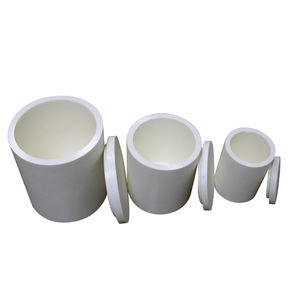
(Technical Ceramic Substrates for LED Packaging Improve Light Extraction Efficiency)
This advancement marks a practical step forward in solid-state lighting. Designers now have a reliable way to boost brightness while keeping systems cool and durable. Production lines are already integrating these substrates into next-generation LED products.